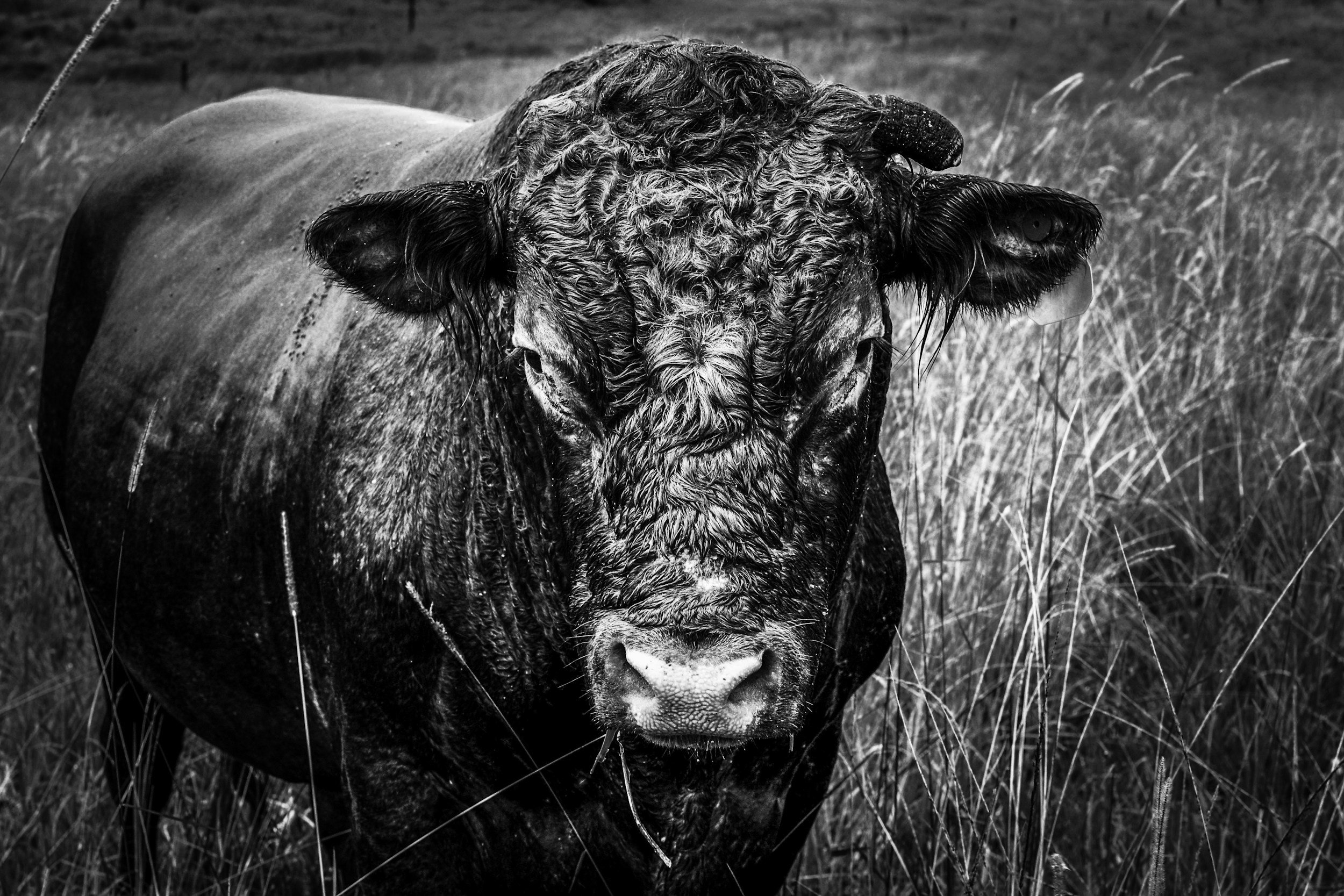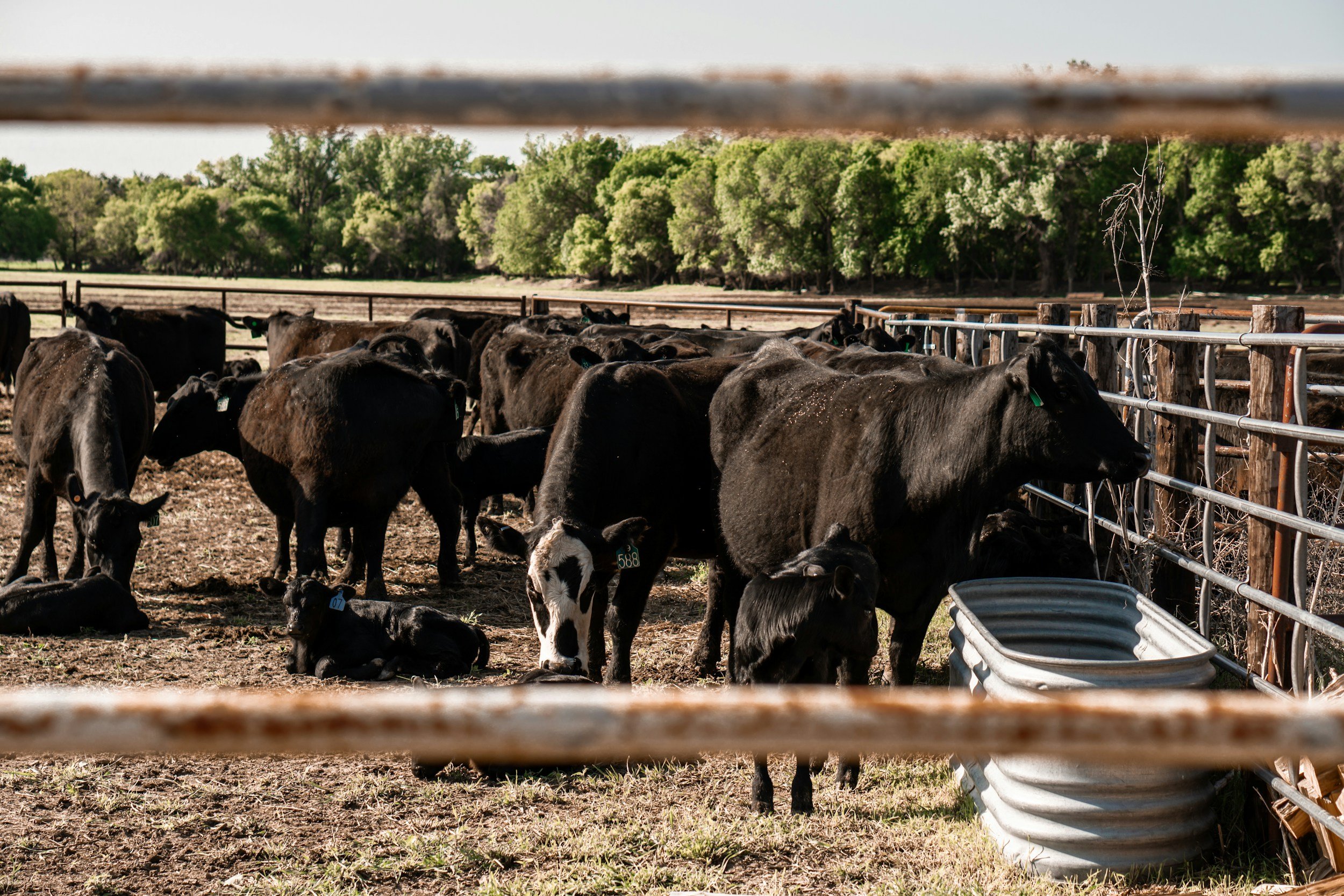
Ethics You Can Taste. Transparency you can trust.
“The Bar H, a fifth-generation family-owned and currently woman-operated livestock operation, is committed to guiding both consumers and industry critics through the importance of transparent, on-package disclosure regarding beef cattle’s quality of life and health specifics. We believe this information isn’t just feasible but that it should be considered essential. Beyond transparency, we strive to help you truly grasp what these standards mean and to address vital questions such as, “What does ethical care actually involve? How is media literacy connected to what’s for dinner? How can I tell if something is authentic or simply a marketing trick in today's digital world? What does intersectional justice even mean, and possibly more importantly, what’s it got to do with my ribeye steak? Lastly, the main questions we want to help you answer are ones like this….” How can I be certain the roast I'm serving tonight came from an animal that was treated well? As a parent, animal lover, and someone who values ethics, how do I know this animal lived and died with dignity for my family's nourishment?
The Bar H Cattle Company — Fifth Generation
About Us
The Bar H is more than a traditional cow/calf operation. We enable small producers to benefit from corporate pricing by having them adopt our set of health and wellness standards that put our cattle first. Once these procedures are in place, we purchase their qualifying calves, group them for wholesale, and secure better prices for all involved. Producers also gain access to our breeding bulls to enhance herd genetics and improve cattle quality for our brand, consumers and the industry as a whole.
What We Promise
o All employees and producers are taught “calm and quiet” handling practices, most are BQA certified (be it for Cow/Calf, Background, Feedlot, or transportation!).
o The comfort of our cattle comes first!
o All calves are raised in open grazing practices until at least 700 lbs.
o Pollinator friendly hay practices! (SAVE THE BEES!)
o Natural Pesticide Preventative Program & Practices!
o We have grass fed and grain finished beef available!
o We have grass fed & finished beef available!
o We also have All Natural, Organic Beef available!
o Each through us from one of our certified sub backgrounders/producers! (& yes. Every single one of those means something very different in regard to how the animal in question was cared for, fed and lived its life!)
We supply fractional shares and the Monthly Beef Boxes, enjoy the convenience and value of our curated monthly beef boxes, designed for every appetite and household size. Each box is packed with a mix of popular cuts, chef-ready steaks, everyday roasts, and versatile ground beef—hand-selected and expertly trimmed for flavor and consistency.
With every purchase of any of our beef products a QR code with the ethics involved in the lifespan of the beef sold to you is able to be read.
QR Code will include:
o What herd did this calf come from?
o If applicable, what type of veterinary care, antibiotics, or hormones did this animal receive and why was it necessary?
o What practices were used in regard to feed and care for the animal in question?
o Was this animal allowed dignity in death?
o At what plant was it processed and by whom?
Box Options
Dude -or- Dude-Ette Box includes - ~ 10 lbs.
Dude -and- Dude-Ette’s Box includes - ~ 15 lbs.
Family Box includes – ~20 lbs.
This house is a Zoo aka. The I have Teenagers Box includes – ~ 30 lbs.
Why Subscribe
Consistent quality and value delivered each month.
Curated mixes that reduce planning time while expanding your recipe repertoire.
Flexible delivery schedules and box customizations to fit your household needs.
Order and Shipping
We ship nationwide with insulated packaging and ice packs to maintain optimal temperature. Each box is vacuum sealed for freshness and labeled with suggested cooking and storage instructions. Shipping costs and delivery windows vary by location, expedited options available.
Taste the difference that five generations of care deliver. Browse our monthly beef boxes and choose the right box for your table—ethical, exceptional beef shipped anywhere you are.

Scan for view of outline for ethical beef sale information.
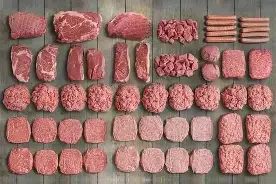
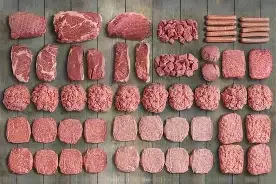
Monthly Beef Boxes


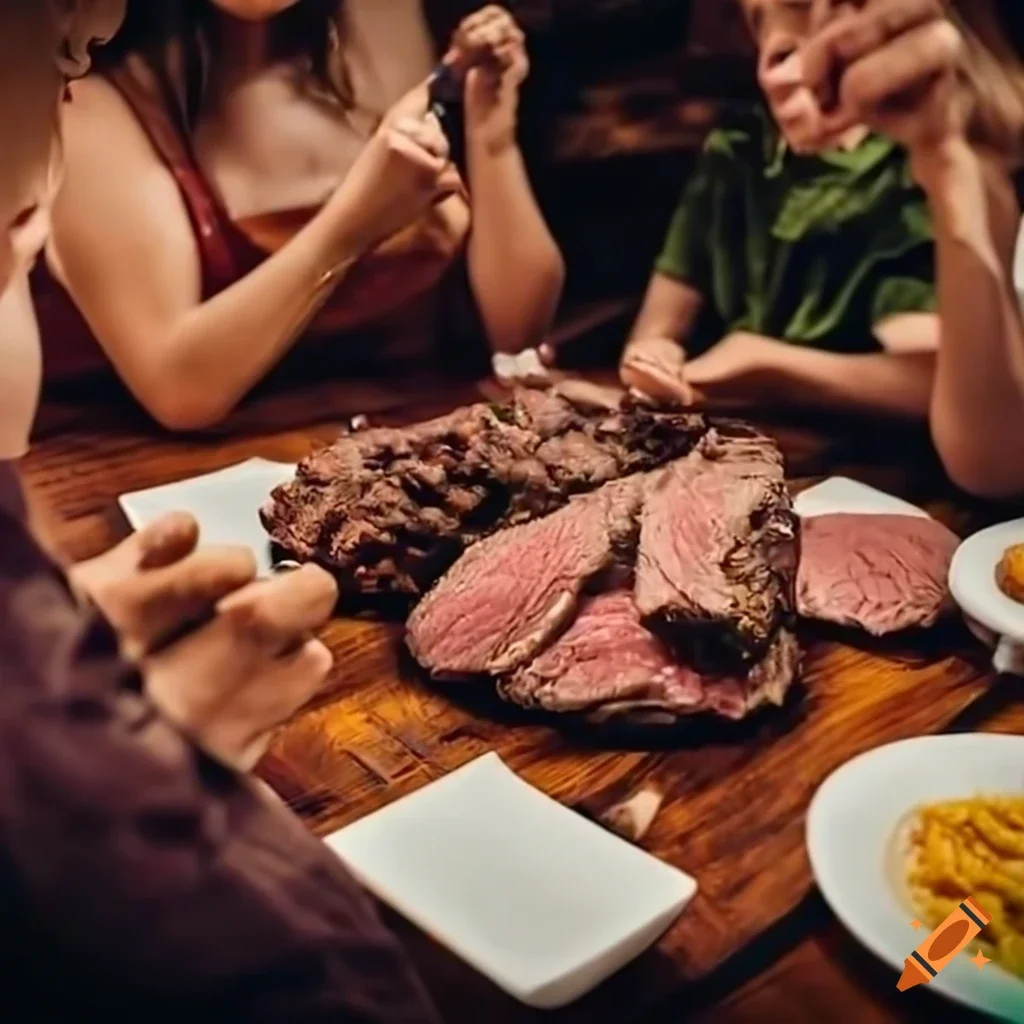

Application of Agricultural & Animal Ethics
Consumers deserve transparency about the origins of the food they eat, particularly when it comes to beef production. When someone purchases a steak or brisket, they are not just buying protein; they are making an ethical choice that reflects values about animal welfare, health, and sustainability. Yet, unlike packaged goods with nutrition labels, fresh meat often arrives at the market stripped of context. Buyers rarely know whether the animal was raised on a balanced diet, treated humanely, or given proper medical care. This lack of information obscures the ethical dimensions of consumption and denies people the ability to align their purchases with their moral commitments.
My position is clear: Congress is ethically obligated to legislate mandatory, on-package disclosure of an animal’s health and quality of life. Ethical sourcing is not a luxury—it is a moral obligation in a society that values dignity, health, and justice. Transparency ensures accountability for producers and empowers consumers to make choices that reflect their values. It also creates a ripple effect: when buyers demand ethically sourced beef, producers are incentivized to adopt humane and sustainable practices.
Investigating this issue matters because food is one of the most intimate ways we interact with the world. What we eat becomes part of us, shaping our bodies, minds, and communities. If cattle are raised in conditions that compromise their health or dignity, those ethical failures extend into the lives of consumers. By demanding transparency, we affirm that the “Good Life” is not only about personal well-being but also about living in a society where our choices contribute to justice and sustainability.
Congress is ethically obligated to pass legislation requiring full, on-package disclosure of an animal’s life and health specifics. Anything less perpetuates a food system that misleads consumers and enables inhumane practices. My thesis is that mandatory transparency in the meat industry is the only way to uphold consumer autonomy and animal welfare, the two ethical fundamentals on which responsible food systems must be built.
The roadmap for my argument is straightforward. First, I will demonstrate how transparency protects consumers by enabling informed choices and safeguarding public health. Without disclosure, buyers are denied their basic right to know whether their food aligns with their values and safety expectations. Second, I will argue that transparency incentivizes producers to adopt humane and sustainable practices, since disclosure makes ethical failures visible. Third, I will show how mandatory labeling strengthens trust between consumers and producers, preventing crises of confidence when contamination or disease outbreaks occur. Finally, I will address counterarguments that disclosure is burdensome or unnecessary, and demonstrate why those claims fail to outweigh the ethical responsibility of transparency.
By following this roadmap, the reader will see that mandatory disclosure is not simply a bureaucratic demand but a moral imperative. It ensures accountability, protects public health, and affirms the dignity of animals whose lives are bound up in our food system.
To defend the claim that Congress is ethically obligated to legislate transparency in cattle production, I rely on the principle of utility, more commonly known as Utilitarianism. This ethical theory, articulated by philosophers such as Jeremy Bentham and John Stuart Mill, holds that the morally right action is the one that maximizes overall well-being while minimizing suffering (Shafer-Landau, 2024). Utilitarianism is particularly relevant to food ethics because it accounts for the interests of both humans and animals, recognizing that sentient beings can experience pain, distress, and pleasure.
Applied to the agricultural industry, Utilitarianism demands that we reduce unnecessary animal suffering while promoting human health and consumer autonomy. Mandatory disclosure of an animal’s health and quality of life records empowers consumers to choose products that align with their values, thereby reducing demand for inhumane practices. If consumers consistently select meat from animals raised with dignity and care, producers are incentivized to adopt practices that minimize suffering. In this way, transparency creates a ripple effect that maximizes well-being across the food system.
The “Good Life,” in this framework, is defined as a life of flourishing where individuals enjoy physical health, mental stability, and ethical integrity. It is not merely about personal satisfaction but about contributing to a society where choices reduce harm and promote justice. By ensuring that animals are treated humanely and consumers are informed, mandatory disclosure legislation advances the Good Life for all stakeholders: healthier food for consumers, dignity for animals, and accountability for producers.
Work Cited
Shafer-Landau, R. (2024). The fundamentals of ethics. Oxford University Press.
Mini-thesis: Transparency in cattle production is essential for protecting public health and preventing crises of trust because it ensures accountability in antibiotic use, safeguards consumers from antimicrobial resistance, and builds confidence in the integrity of the food system.
One of the strongest arguments for transparency in cattle production lies in its direct connection to public health. The widespread use of antibiotics in livestock has been a major driver of antimicrobial resistance (AMR), a global health threat that undermines the effectiveness of life-saving medicines. Research from UC Berkeley even highlights that despite state-level restrictions, many producers refuse to disclose their antimicrobial practices, leaving regulators and consumers in the dark about how cattle are raised. This lack of transparency not only hampers enforcement but also allows routine, non-therapeutic antibiotic use to persist, accelerating the spread of resistant bacteria from farms to communities.
From a justification standpoint, transparency serves as a preventive measure rooted in consequentialist ethics: by mandating disclosure of production practices, society minimizes the harmful outcomes of hidden antibiotic misuse. It also aligns with deontological reasoning, as producers have a duty to provide truthful information about the food supply. Without transparency, consumers cannot make informed choices, and regulators cannot intervene effectively to protect public health.
Moreover, transparency is critical for maintaining trust in the beef industry. When consumers suspect that producers conceal harmful practices, confidence in the food system erodes, leading to crises of trust that damage both markets and public welfare. The USDA has recognized this risk, emphasizing consumer transparency as a pillar of its beef industry plan to stabilize markets and ensure truthful information about American beef.
In sum, transparency in cattle production is not a peripheral issue but a foundational safeguard. It protects public health by curbing antimicrobial resistance, fulfills ethical obligations of honesty, and prevents the erosion of consumer trust that can destabilize the entire agricultural system.
Mini-thesis: Ethical choices in food production compound over time, just like lifestyle choices, shaping long-term outcomes for both humans and animals.
The “Parallel Selves” thought experiment illustrates this point. Imagine two versions of yourself: one living a balanced, healthy lifestyle, and the other neglecting diet, exercise, and rest. After ten years, the differences are noticeable—more energy, fewer sick days, better mood. After thirty years, the contrast is stark: one self faces chronic illness while the other thrives. At the end of life, one has lived fully, while the other has endured preventable suffering.
Food systems operate in the same way. When producers adopt humane, transparent practices, the benefits compound over time: healthier animals, safer food, and stronger consumer trust. When producers conceal suffering and cut corners, the harms accumulate: disease outbreaks, environmental degradation, and systemic cruelty. Just as lifestyle choices shape the trajectory of a human life, agricultural choices shape the trajectory of our food system.
Mandatory disclosure ensures that consumers can choose the “healthy path” for society. By rewarding farms that prioritize welfare, consumers create long-term incentives for ethical practices. Over decades, this compounds into a food system that is safer, more humane, and more sustainable. Transparency is therefore not only about immediate accountability but about shaping the future trajectory of agriculture.
Mini-thesis: The strongest argument against mandatory disclosure is that it imposes excessive burdens on producers and risks overwhelming consumers with information they may not use.
Critics argue that requiring full, on-package disclosure of an animal’s life and health specifics would create logistical and financial challenges for producers. They claim that maintaining detailed records, integrating them into packaging, and ensuring accuracy would increase costs, potentially raising food prices. Furthermore, opponents suggest that consumers may not read or understand the information, rendering the effort unnecessary.
However, this argument fails on both ethical and practical grounds. First, voluntary initiatives have consistently proven inadequate. Harvey and Hubbard (2013) demonstrate that producers often exaggerate or obscure welfare claims when left to self-regulate, eroding consumer trust and perpetuating inhumane practices. Without regulation, transparency is sacrificed to profit motives. Second, the claim that consumers will not use the information ignores evidence that demand for welfare transparency is growing. Papageorgiou et al. (2025) show that consumers actively support products with humane guarantees, and Tuyttens et al. (2025) argue that accurate labeling incentivizes systemic improvements in welfare standards.
Finally, the burden argument overlooks the ethical responsibility of producers. If animals are sentient beings capable of suffering, then documenting and disclosing their treatment is not an optional courtesy but a moral duty. The logistical challenges pale in comparison to the ethical imperative of reducing suffering and protecting consumer autonomy. Congress’s role is to ensure that producers meet this responsibility, not to shield them from accountability.
Thus, the strongest counterargument collapses under scrutiny: disclosure is both feasible and necessary, and its absence perpetuates deception and harm.
Works Cited
Harvey, D., & Hubbard, C. (2013). Reconsidering the “economic” in animal welfare: Transparency, consumer trust, and regulatory responsibility. Journal of Agricultural Economics, 64(3), 720–739. https://doi.org/10.1111/1477-9552.1202 Papageorgiou,
Congress’s obligation to legislate mandatory disclosure is not simply a matter of regulatory detail; it is a moral turning point for our food system. If passed, such legislation would empower consumers to make choices that reflect their values, restoring autonomy to the marketplace. Shoppers who care about humane treatment would no longer be deceived by vague marketing terms like “natural” or “farm fresh.” Instead, they would have access to clear evidence of whether animals lived in overcrowded, stressful conditions or were treated with dignity. This transparency would reshape demand, rewarding farms that prioritize welfare and pressuring others to reform. In short, agreeing with this position means creating a food system that is honest, ethical, and responsive to both human and animal needs (Ethics Defined, 2017).
The consequences of inaction are equally clear. Without disclosure, consumers remain complicit in hidden cruelty, misled by cheerful packaging that conceals suffering. Inhumane practices such as overcrowding, neglect, and unnecessary pain will persist, perpetuating a cycle where profit outweighs compassion. The public loses its power to hold producers accountable, and the ethical cost is borne by both animals and humans. As Epicurus reminds us, happiness and justice are inseparable: ignoring transparency undermines both, leaving society complicit in cruelty and deception (Epicurus’ Cure for Unhappiness, 2016).
To accept this position is to affirm that justice, transparency, and responsibility must guide our food systems. It is a commitment to a Good Life that values dignity, accountability, and shared flourishing.
Congress has an ethical obligation to legislate mandatory, on-package disclosure of an animal’s quality of life and health specifics. This position is grounded in the principle of autonomy: consumers must be treated as ends in themselves, not manipulated into complicity with hidden cruelty. Without transparency, individuals cannot align their choices with their values, and systemic suffering remains concealed. Ethical theories such as Kantian deontology affirm that respect for persons requires informed choice, while Singer (2015) demonstrates that concealing animal suffering perpetuates harm.
Beyond individual autonomy, disclosure challenges structures of invisibility and exploitation. As Lorde (1984) argues, justice requires confronting difference rather than erasing it. In the same way, food systems must reveal the realities of animal lives rather than obscure them. Transparency becomes both a safeguard for consumer rights and a form of ethical resistance against systemic injustice.
By mandating disclosure, Congress would not only protect public health and restore consumer trust but also affirm a broader moral commitment to dignity, accountability, and justice. This legislation is therefore more than a regulatory measure—it is a necessary step toward a food system that reflects ethical responsibility and the Good Life.
Our
Company Mission Statement
We are stewards of a five-generation legacy, committed to producing ethically raised, superior-quality beef and delivering it affordably to tables nationwide. Guided by time-honored ranching practices, modern animal welfare standards, and transparent stewardship of land and livestock, we provide responsibly sourced beef that honors ranching heritage and nourishes families. From pasture to pack, we ensure humane treatment, rigorous quality control, and efficient distribution so exceptional beef is accessible wherever you are.